
MANST
Forschungsplatz 1
63820 Elsenfeld
During the evolution of lithium-ion battery manufacturing toward high-speed, continuous production, degassing has become an indispensable process step upstream of coating. Its effectiveness directly affects slurry feeding stability, coating quality, and overall production-line efficiency. As slurry systems continue to diversify, degassing processes are facing increasingly complex requirements.
After vacuum degassing in the slurry preparation stage, the slurry may generate gas again during transportation, exposing inherent limitations in traditional batch degassing. At the same time, conventional degassing processes have clear limitations when adapting to emerging slurry systems such as silicon-carbon anodes. High-efficiency, continuous degassing is therefore becoming a key direction for the coordinated optimization of equipment and process technology.
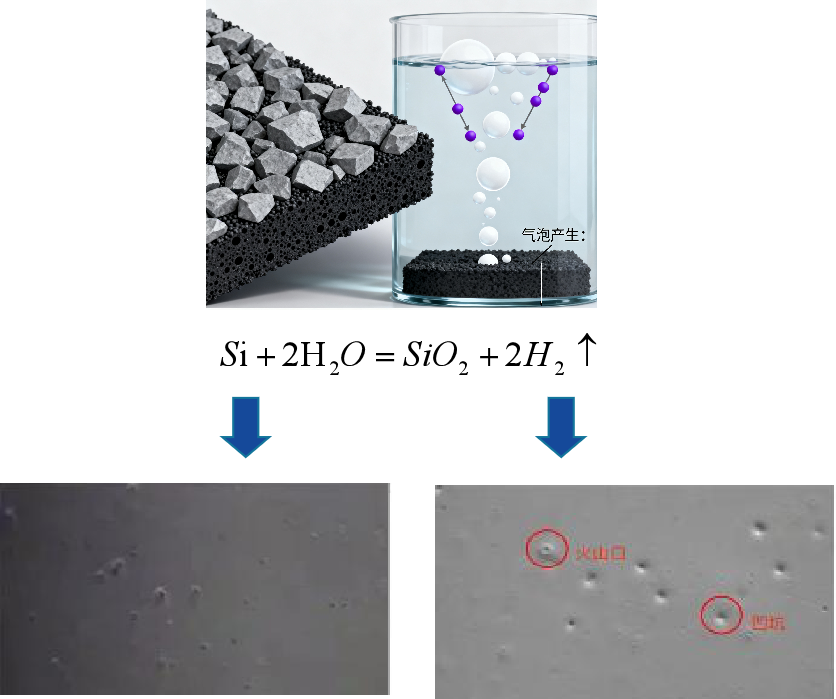
Specifically, traditional batch degassing typically takes approximately 30–90 minutes per cycle, reducing overall equipment effectiveness (OEE) and making it difficult to meet the pace of continuous, high-efficiency production. In addition, batch degassing cannot intervene in continuous gas generation. In water-based silicon-carbon anode slurries, elemental silicon reacts with water and can continuously generate new gas bubbles during prolonged downtime, subsequently affecting coating stability.
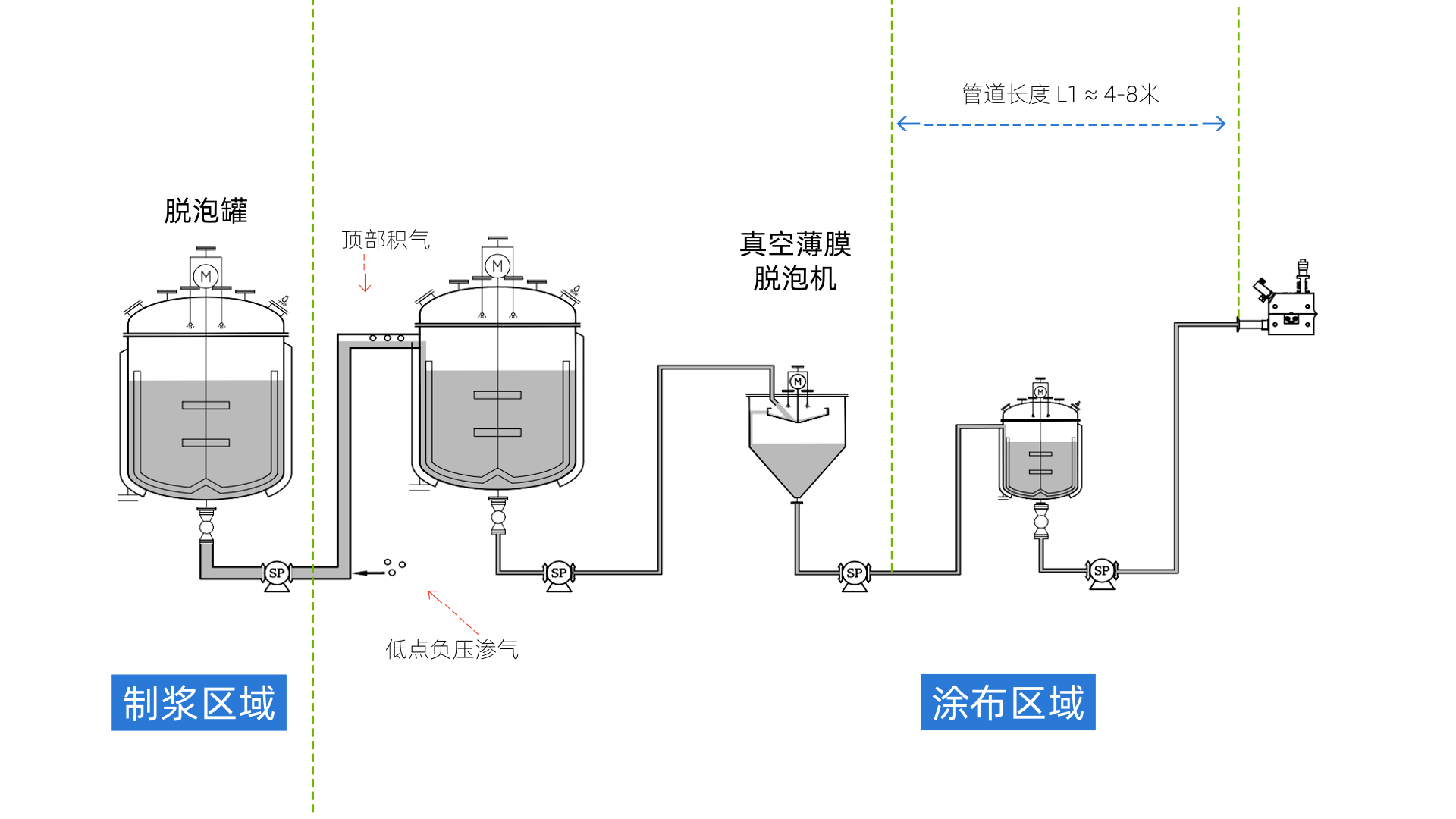
To address these challenges, MANST has developed an online degassing system solution. Rather than focusing solely on improving the efficiency of a single degassing cycle, the solution extends degassing to the front end of the coating process. A degassing unit is installed between the finished-slurry tank and the buffer tank, enabling continuous online degassing.
Compared with conventional long slurry-transfer pipelines of 40–120 meters, MANST reduces the pipeline length to 4–8 meters, significantly shortening the spatial and temporal window for bubble regeneration. The system also directly synchronizes with the coating takt, enabling continuous production without affecting line speed. This frees up the time and capacity previously occupied by batch degassing, thereby improving overall equipment effectiveness.
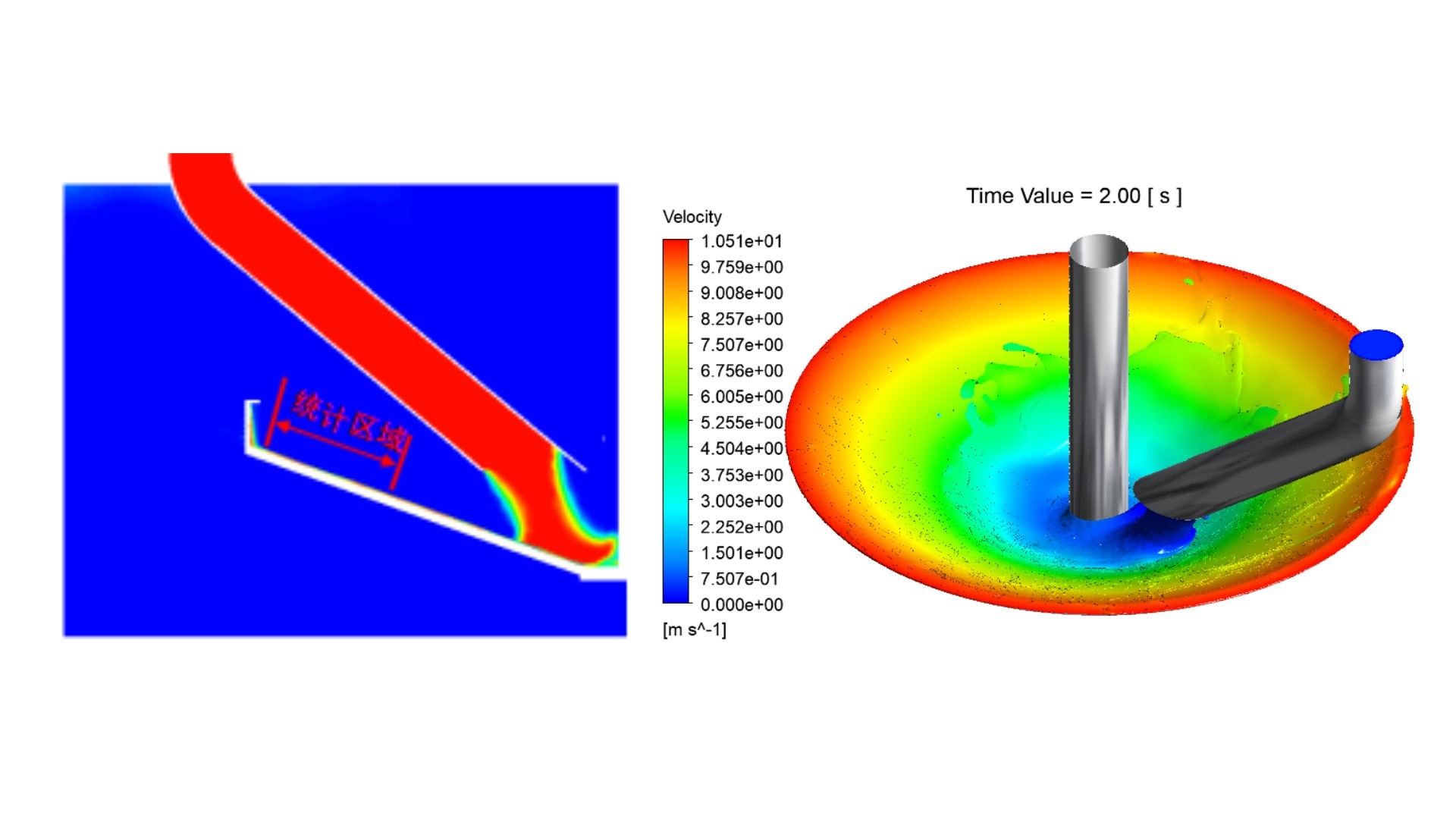
The vacuum thin-film degassing machine operates based on a multi-stage degassing mechanism combining vacuum-driven gas release, centrifugal film formation, and collision-induced bubble breakup. Under vacuum conditions, the slurry forms a thin liquid film, significantly increasing the gas–liquid interfacial area and enabling bubbles to be progressively broken up and removed.
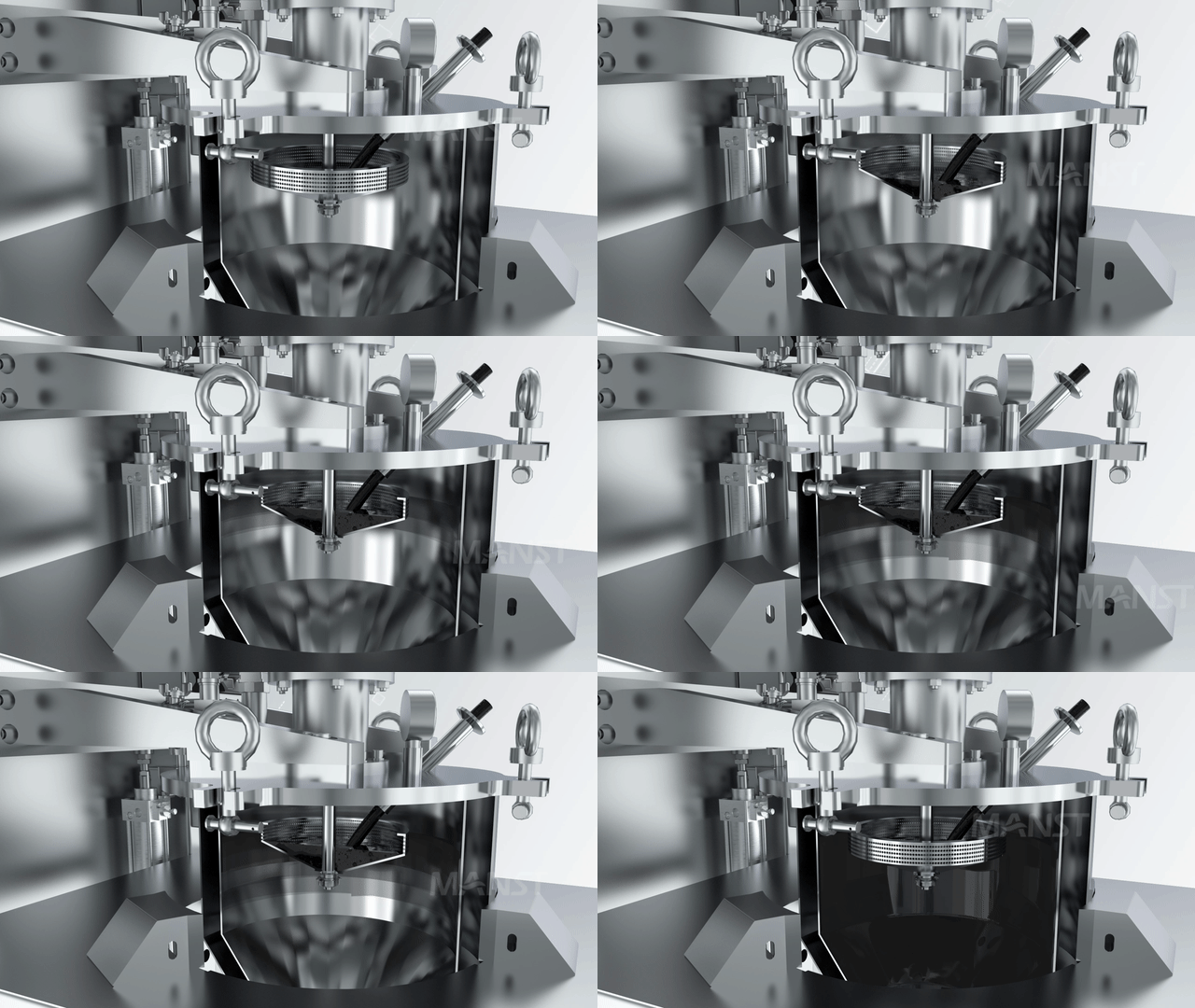
The equipment operates under vacuum conditions, with an ultimate vacuum of up to −0.098 MPa (gauge pressure), providing sufficient negative-pressure driving force for bubble expansion and release.
↓
The high-speed rotation of the degassing disc then spreads the slurry into a thin film with a thickness of ≤1 mm, allowing bubbles to rapidly reach the surface and rupture.
↓
The slurry subsequently passes through the openings on the outer side of the degassing disc, where the small-orifice degassing mechanism further breaks up larger bubbles.
↓
After passing through the small orifices, the slurry impacts the tank wall at high velocity. This collision-induced degassing causes bubbles to rupture and escape.
↓
As the slurry flows down the tank wall, it forms another thin film, completing a secondary thin-film degassing stage and further removing residual microbubbles.
MANST’s vacuum thin-film degassing machine features a compact footprint and a high level of automation, with a processing flow range of 0–25 L/min. It supports stable operation at coating speeds of up to 90 m/min with a 1.4 m web width. From laboratory-scale trials to mass production, the equipment can be flexibly configured according to production capacity requirements, enabling a smooth scale-up of degassing capacity.
To date, MANST has completed process adaptation and prototype delivery for multiple customers, with the equipment’s on-site performance receiving customer recognition. At the same time, MANST has engaged in in-depth technical discussions with leading manufacturers based on practical application requirements, continuously optimizing process and equipment solutions and expanding their application across a broader range of scenarios.
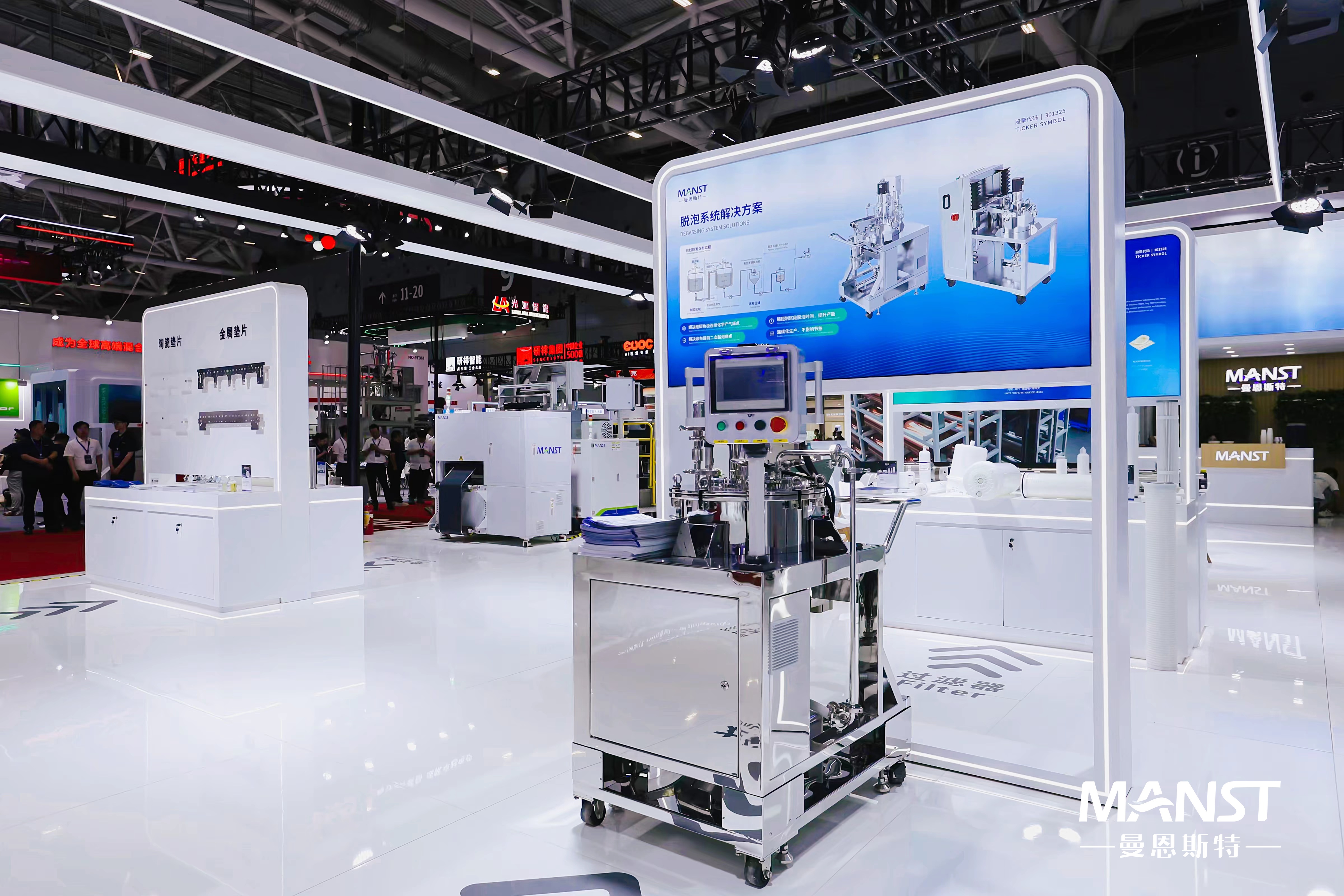
From batch degassing to continuous online degassing, and from slurry-preparation-stage treatment to coating-front-end control, MANST integrates degassing into the continuous coating process. This approach systematically addresses the industry challenges of low degassing efficiency, long processing cycles, and chemically induced gas generation, enabling continuous online degassing for improved quality, efficiency, and cost performance.
Looking ahead, MANST will continue to deepen the integration of degassing processes with upstream coating equipment. For emerging slurry systems, including silicon-carbon anodes, high-nickel cathodes, and solid-state electrolytes, MANST will further evaluate and expand process compatibility, working together with battery manufacturers and material suppliers to advance high-energy-density battery manufacturing toward greater continuity and efficiency.

+49(0)9372 9283 688
MANST
Forschungsplatz 1
63820 Elsenfeld


MANST
Forschungsplatz 1
63820 Elsenfeld
Copyright © 2024 MANST Technology All rights reserved.